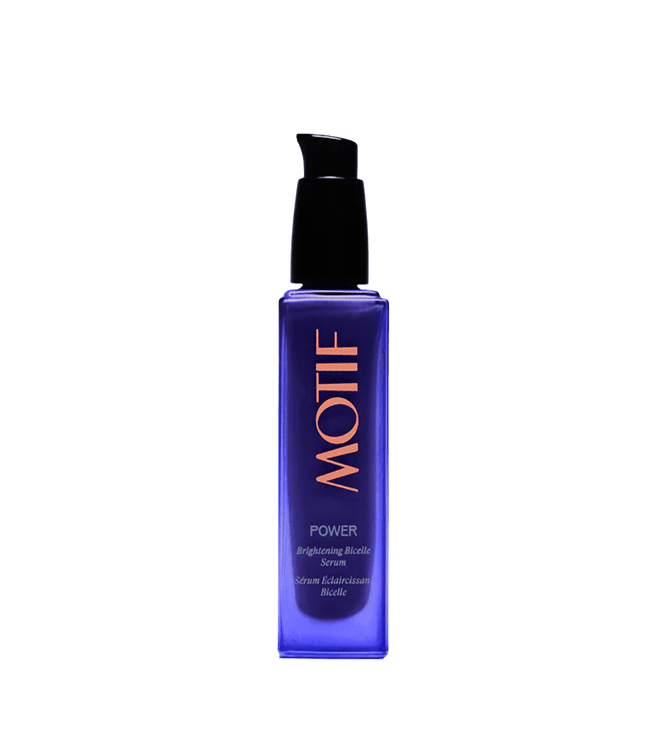
One multi-tasking serum offering six pathways to radiance
- Boosts collagen and softens lines
- Brightens tone and fades pigmentation
- Reduces inflammation and redness



Bakuchiol
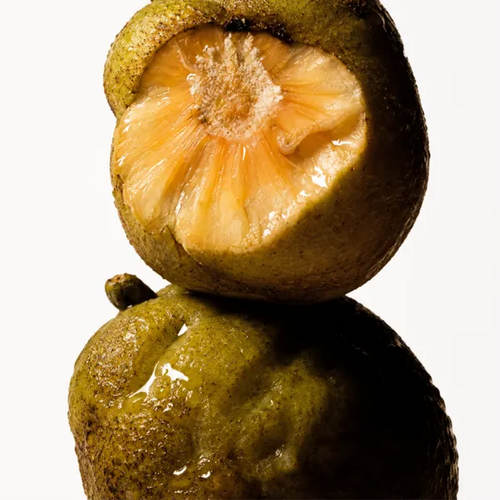
Artocarpus Lakoocha Wood Extract
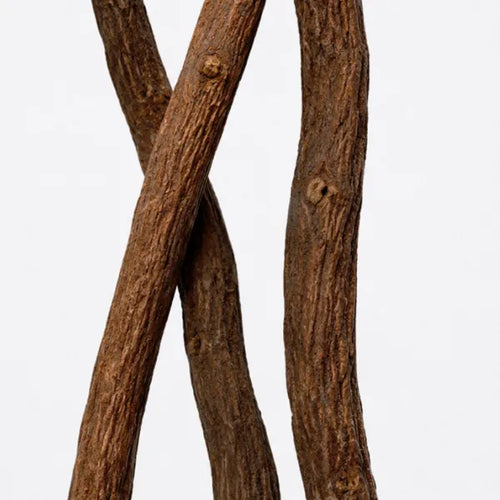
Glycyrrhiza Glabra Root Extract

Niacinamide (Vitamin B3)

Arctostaphylos Uva-Ursi Leaf Extract
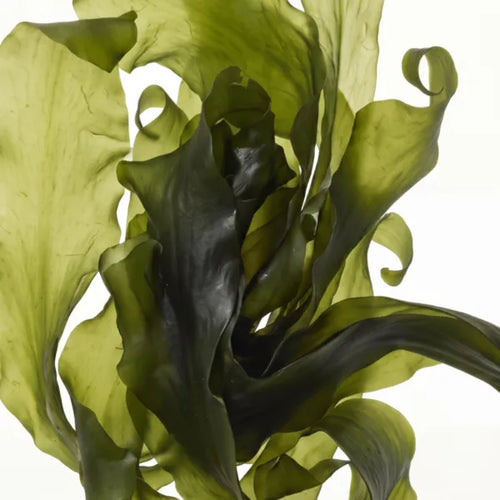
Ecklonia Cava Extract
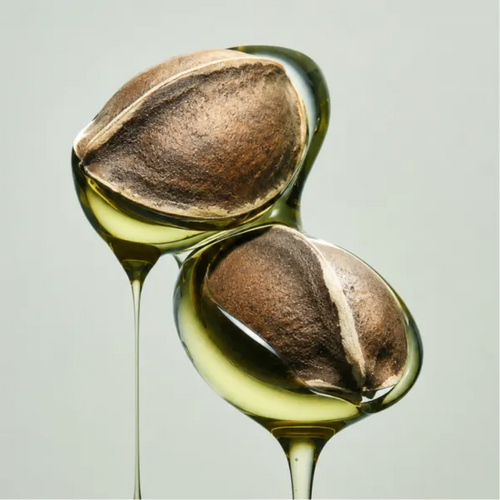
Moringa Oleifera Seed Oil
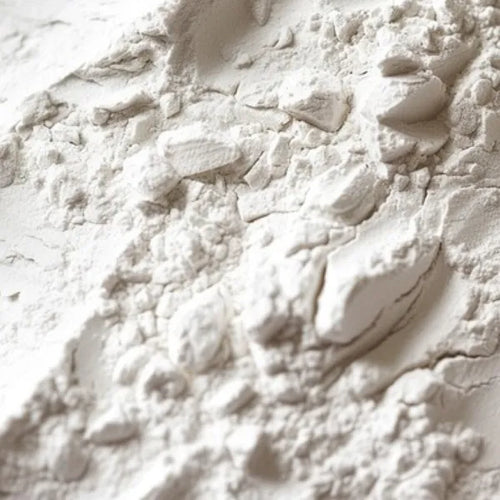
Potassium Azeloyl Diglycinate (PAD)
Squalane
Caprylic/Capric Triglyceride

Glycerin

Rosa Damascena Extract
Rice Ferment Filtrate
Ananas Sativus Fruit Extract

Phalaenopsis Amabilis Extract

Ophiopogon Japonicus Root Extract

Silybum Marianum Extract
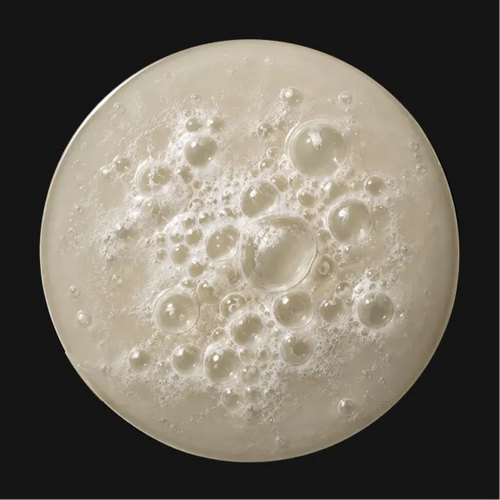
Lactobacillus Ferment
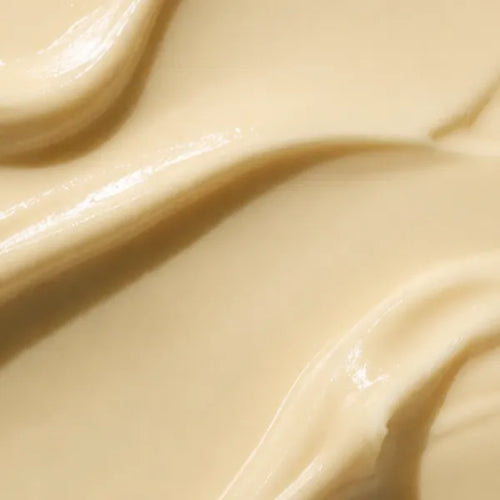
Tocopherol (Vitamin E)
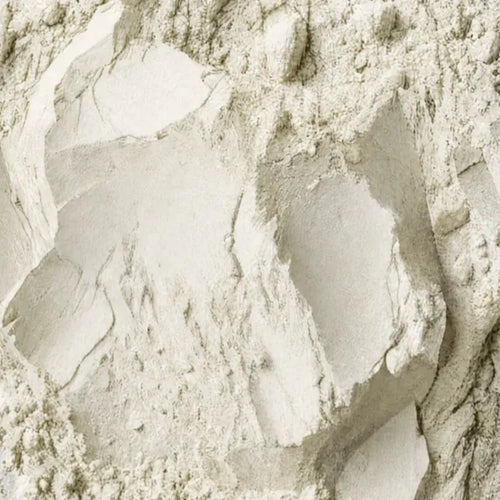
Hydrogenated Lecithin
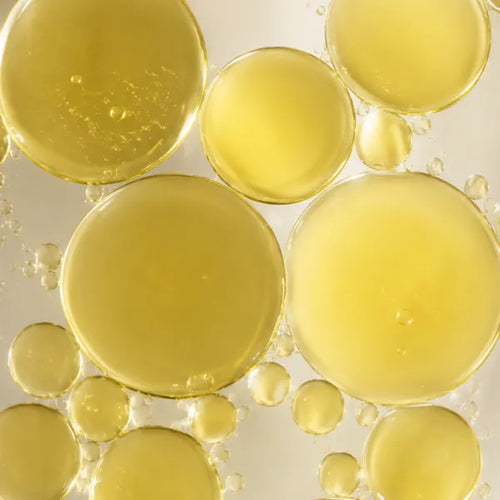
Brassica Napus Seed Oil

Bromelain (Pineapple Fruit Extract)
Sodium Hyaluronate
Bakuchiol
Monkey Fruit (Oxyresveratrol)
Licorice Root
Niacinamide
Bearberry Leaf
Ecklonia Cava (Algae)
Moringa Seed
Azelaic Acid Derivative
Squalane
Caprylic/Capric Triglyceride
Glycerin
Rose
Rice Ferment (Sake)
Pineapple Phytoceramides
Orchid
Mondo Grass
Milk Thistle
Lactobacillus Ferment
Tocopherol
Lecithin
Rapeseed
Bromelain
Hyaluronic Acid
(Skin health is built by daily choices)
First Use

Skin is calmer with a soft light-reflective glow
First Month

Dark spots and post-acne marks start to fade
First Quarter

Collagen starts to rebuild. Skin is firm and bright


No trace ingredients. No smell or stickiness. Not overpriced. A collagen-boosting, pigmentation fading serum that's easy to use on repeat.


POWER |
Generic Serums |
|
|---|---|---|
| Contains collagen-boosting actives (proven by peer-reviewed studies) |  |
 |
| Addresses pigmentation holistically with 6 biological pathways (not just 1) | |
|
| Reduces redness and calms skin | |
|
| Not smelly, not sticky, non-comedogenic | |
|
| Absorbs instantly with a natural glow | |
|
| Doesn’t pill under make-up or sunscreen | |
|


That is the buyer this serum was formulated for. There are no retinoids in it, no hydroquinone and no acids.
The collagen building ingredient is bakuchiol, which acts on the same receptor pathway retinol uses without the photosensitivity, the adjustment period or the dryness.
It is a light, silky texture rather than a stripped one, and reviewers with reactive skin consistently describe it as hydrating rather than something to brace for.
If you have reacted to a lot of things, patch test on your jawline first, as you would with anything new.
It works through the same receptor pathway, and in a randomised, double-blind twelve-week trial it performed comparably to retinol on wrinkles and pigmentation while being significantly better tolerated on scaling and stinging. (Dhaliwal S et al., British Journal of Dermatology, 2019.)
What bakuchiol does not carry is retinol's rules. It is photostable, so this is an AM and PM step from day one, with no retinisation period to get through.
No, and there is a specific paper that settles it. Niacinamide was shown to inhibit melanosome transfer by 35 to 68% while having no measurable effect on tyrosinase activity at all. (Hakozaki T et al., British Journal of Dermatology, 2002.)
That matters because tyrosinase inhibition is what most brightening ingredients do. Niacinamide does something else entirely: it blocks the hand-off of pigment from the cell that makes it to the cell that carries it to the surface. Different control point, different mechanism.
Pigment is made, transferred, retained, and driven by oxidative stress. Most serums intervene at one of those. This one intervenes at all four, which is why the ingredient list is longer than usual.
Yes to the morning, no to the sensitivity.
Bakuchiol is photostable, which is the practical difference between it and retinol: it does not degrade in daylight and it does not carry a photosensitivity warning. That is why this is an AM and PM step.
Wear sunscreen anyway, every day. Nothing that addresses pigment works properly underneath unprotected UV exposure, because you are refilling the problem faster than any serum can empty it.
Yes. There are no acids and no retinoids in this formula, so there is nothing here competing for the same tolerance budget. If anything the Motif system builds skins tolerability and resilience.
Apply it to clean skin after the cleanse and before the moisturiser, morning and night.
If you use a prescription retinoid or another prescribed product, keep following your dermatologist's directions for it and add this alongside rather than in place of anything you have been told to do.
We do not use any ingredients contraindicated for use during pregnancy or breastfeeding.
Bakuchiol is often recommended as a pregnancy-friendly alternative to retinol, but its safety in pregnancy has not been established in dedicated, published studies.
If you are pregnant or breastfeeding, ask your obstetrician or dermatologist and follow what they tell you.
No, and this is the objection that quietly kills most serums. It is not sticky, it absorbs in seconds and layers cleanly.
It is the single thing reviewers mention most often unprompted, alongside the pump, which meters a consistent dose in a way a dropper does not.
First application: skin looks smoother and more light-reflective straight away. That is the film-forming and hydrating ingredients, and it is real.
Two weeks: overall tone starts to even and skin looks clearer and calmer. This is what most reviewers describe first.
Four to eight weeks: Stubborn dark spots and post-acne marks visibly fade, as pigment already in the upper layers cycles out and less new pigment replaces it.
Twelve weeks: Firmness and increased elasticity. The structural results even in the Bakuchiol trial landed at twelve weeks, not before, and it does take that long.
They work on opposite halves of the same problem. RENEW clears pigment that has already reached the upper layers, one or two nights a week. POWER works every morning and night on pigment that has not surfaced yet, slowing how much is made and how much gets transferred. One empties the backlog, the other slows what refills it.
Run only one and you are doing half the job. Run both and RENEW's cleared surface is what POWER lands on the next morning.
30ml, used morning and night, lasts about 4 weeks. On subscription your next bottle arrives before you run out, so nothing interrupts a twelve-week timeline, and you can pause or change the interval any time.
You're covered by our 30-Day Results Guarantee. Use it for the full 30 days, and if you don't see a visible improvement, we'll refund you.
The guarantee exists because the Motif customer is skeptical by default, and shouldn't have to take our word for it.