
What it does
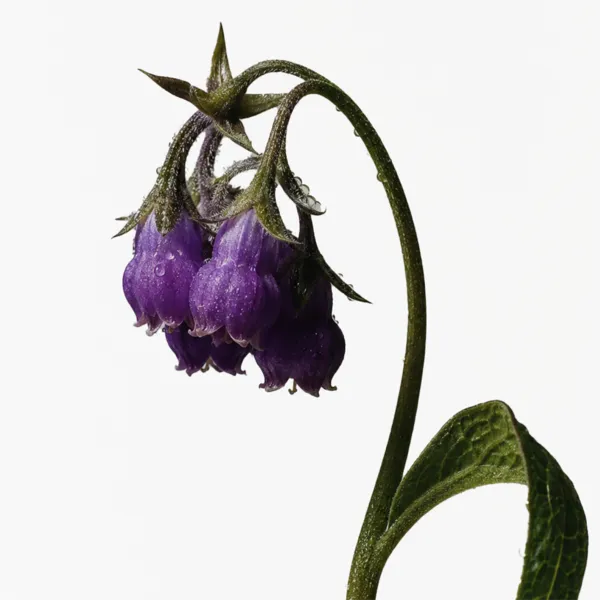
Calms visible irritation and softens the surface during active steps.
How it works biologically
A soothing compound (originally from comfrey) with gentle keratolytic action. Speeds corneocyte shedding and damps irritant-induced inflammation.
Peer reviewed evidence
"Araujo LU et al. (2010). Profile of the wound healing process induced by allantoin. Acta Cir Bras.
An investigation into the multifaceted mechanisms of action of allantoin in wound healing. J Am Acad Dermatol (2017)."

What it does
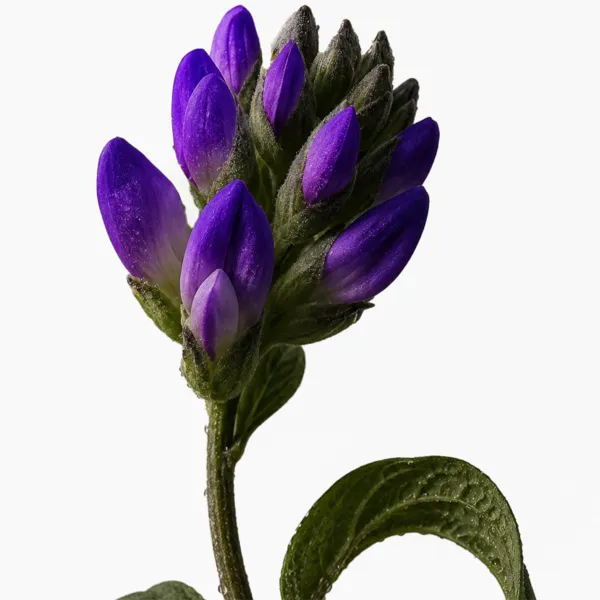
Retinol-like firming and turnover without the irritation.
How it works biologically
A plant meroterpene (Psoralea corylifolia) acting on retinoid pathways. Upregulates type I/III/IV collagen genes and fibroblast activity.
Peer reviewed evidence
"Dhaliwal S et al. (2019). Prospective, randomized, double-blind assessment of topical bakuchiol and retinol for facial photoageing. Br J Dermatol.
Chaudhuri RK, Bojanowski K. (2014). Bakuchiol: A retinol-like functional compound revealed by gene expression profiling. Int J Cosmet Sci."
What it does
Adds a complementary brightening pathway for even tone.
How it works biologically
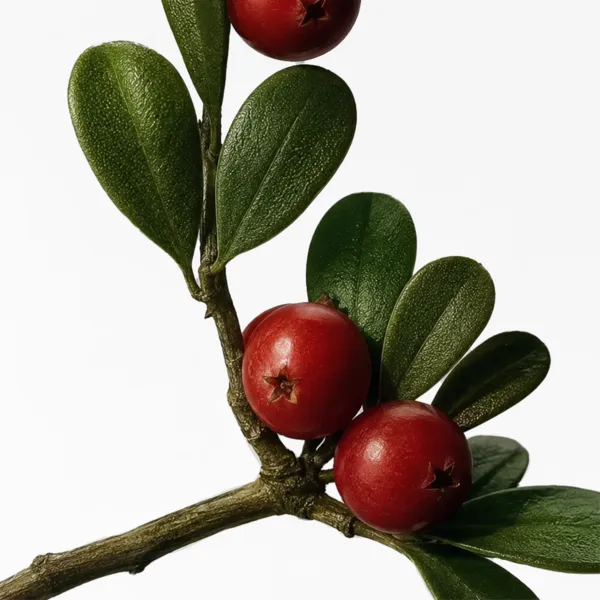
Contains arbutin, a natural tyrosinase-inhibiting hydroquinone precursor. Competitively inhibits tyrosinase at its copper-binding site.
Peer reviewed evidence
Maeda K, Fukuda M. (1996). Arbutin: mechanism of its depigmenting action in human melanocyte culture. J Pharmacol Exp Ther.

What it does
Antioxidant support and tone clarity.
How it works biologically
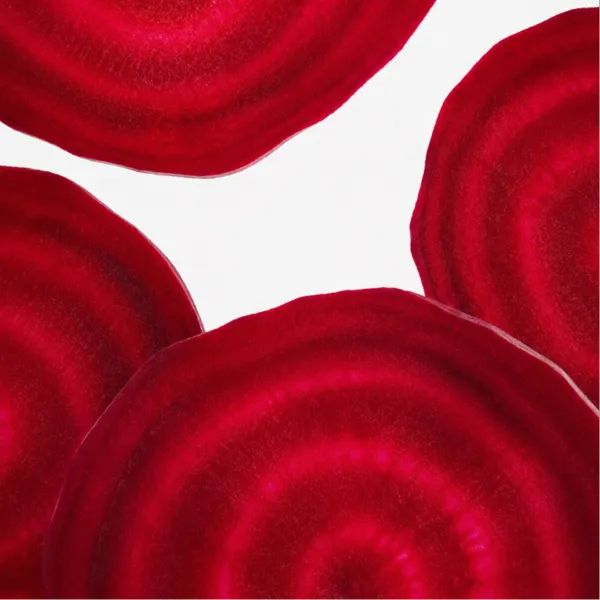
Betalain- and betaine-rich root extract. Betalains scavenge ROS; betaine supports cellular hydration.
Peer reviewed evidence
Yasin M et al. (2020). Development, in-vitro characterization and assessment of cosmetic potential of Beta vulgaris (beetroot) extract emulsion. J Herbal Medicine.
Anti-inflammatory activity of betalains: a comprehensive review. Human Nutrition & Metabolism (2021).

What it does
Light, breathable hydration support.
How it works biologically
Mineral-rich cold-pressed birch sap. Natural saccharides and minerals support surface hydration.
Peer reviewed evidence
Birch sap attenuates inflammatory cytokines and improves skin parameters in cellular and animal models of skin irritation. Cosmetics (2025).

What it does
Dissolves the bonds holding dead cells - exfoliation without acid or scrub.
How it works biologically
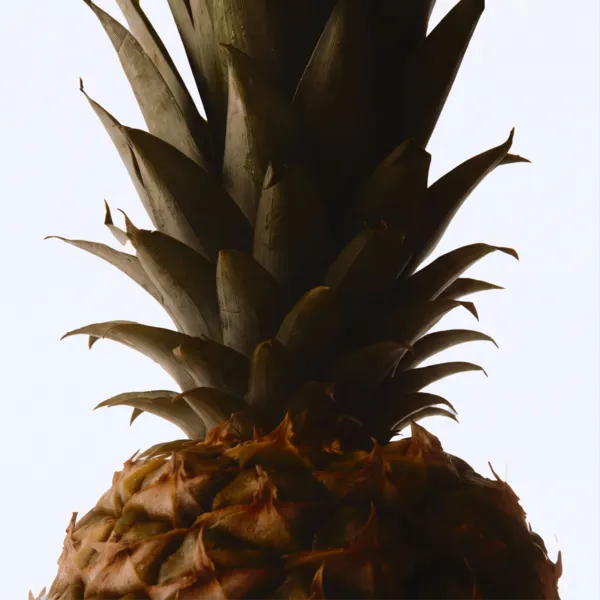
A proteolytic enzyme from pineapple. Cleaves corneodesmosome proteins to release corneocytes.
Peer reviewed evidence
"Trevisol TC et al. (2022). An overview of the use of proteolytic enzymes as exfoliating agents. J Cosmet Dermatol.
Proteolytic enzyme activities of bromelain, ficin and papain from fruit by-products and applications in skincare cosmetics. Applied Sciences (2025)."
What it does
Reinforces barrier lipids and carries other actives in.
How it works biologically
A lightweight, skin-identical coconut-derived lipid. Integrates into stratum-corneum lamellae; boosts active delivery.
Peer reviewed evidence
Effect of an emollient emulsion containing 15% caprylic/capric triglyceride on the urocanic acid of the stratum corneum. Life (2023).
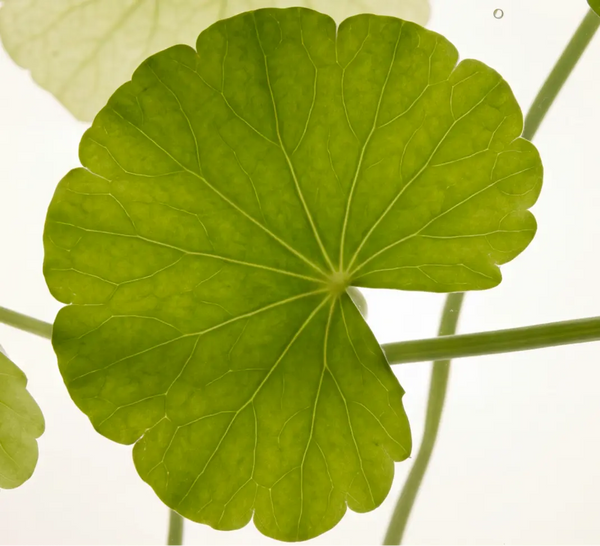
What it does
Supports collagen, wound healing and barrier calming.
How it works biologically
A triterpenoid-rich botanical (asiaticoside, madecassoside). Stimulates collagen via TGF-beta; inhibits collagenase and NF-kB.
Peer reviewed evidence
"Bylka W et al. (2014). Centella asiatica in dermatology: an overview. Phytother Res.
Hashim P et al. (2011). Triterpene composition and bioactivities of Centella asiatica. Molecules."
What it does
Rebuilds the barrier seal and cuts water loss.
How it works biologically
A skin-identical ceramide, ~50% of the barrier lipid matrix. Restores lamellar bilayer architecture; reduces TEWL.
Peer reviewed evidence
"Coderch L et al. (2003). Ceramides and skin function. Am J Clin Dermatol.
Lynde CW. (2001). Moisturizers: what they are and how they work. Skin Therapy Lett."
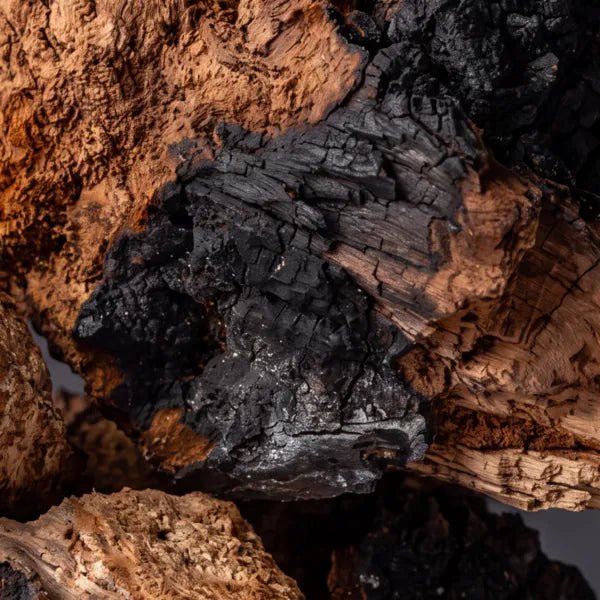
What it does
Defends against the oxidative stress that drives aging.
How it works biologically
An antioxidant-dense birch fungus (melanin, polyphenols, SOD). SOD activity and polyphenols neutralize free radicals.
Peer reviewed evidence
Glamoclija J et al. (2015). Chemical characterization and biological activity of Chaga (Inonotus obliquus), a medicinal mushroom. J Ethnopharmacol.
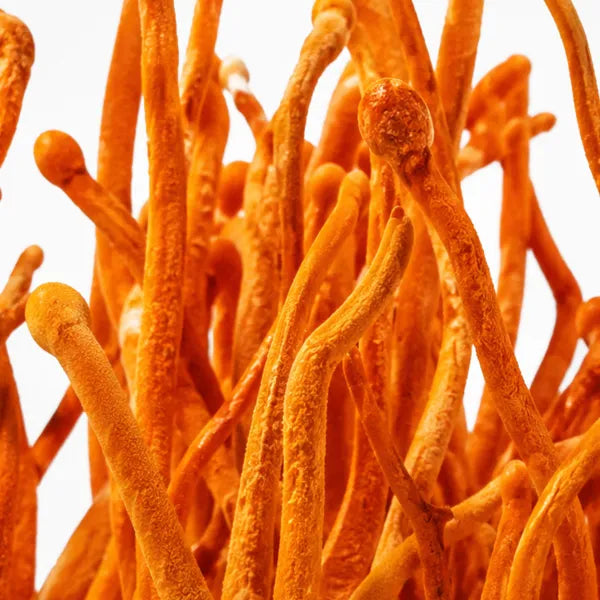
What it does
Associated with mitochondrial and cellular-energy support.
How it works biologically
A fungus rich in cordycepin and polysaccharides. Modulates adenosine/energy pathways (mostly in-vitro/oral).
Peer reviewed evidence
Tuli HS et al. (2014). Pharmacological and therapeutic potential of Cordyceps with special reference to Cordycepin. 3 Biotech.
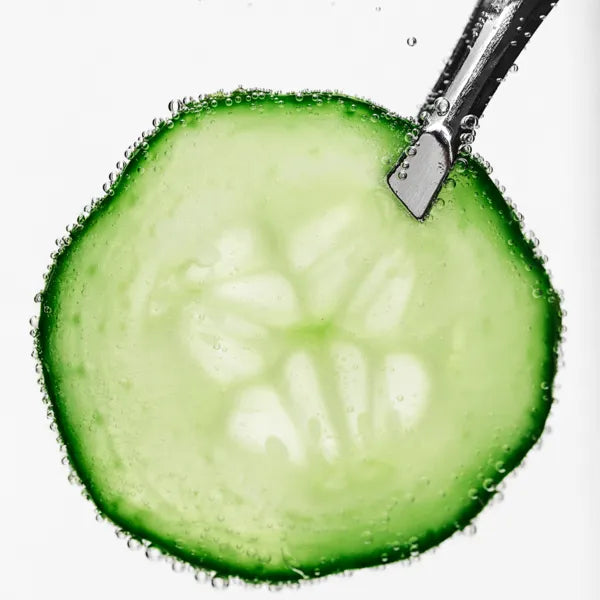
What it does
Cooling, hydrating comfort.
How it works biologically
A classic soothing botanical (polysaccharides, amino acids). Polysaccharides hydrate; mild antioxidants soothe.
Peer reviewed evidence
Whitening and hydrating properties of Cucumis sativus (cucumber) fruit extract (2025).
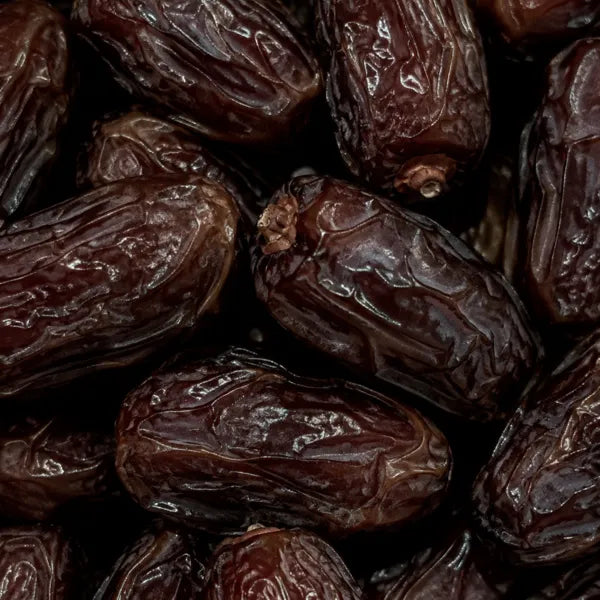
What it does
Antioxidant protection for long-term resilience.
How it works biologically
A polyphenol- and proanthocyanidin-rich seed extract. Polyphenols scavenge ROS; proanthocyanidins shield collagen from MMPs.
Peer reviewed evidence
"Kang M et al. (2020). Phoenix dactylifera (date) seed extract exhibits antioxidant effects and attenuates melanogenesis in B16F10 cells. Antioxidants (2020).
Efficacy of Phoenix dactylifera (date palm) creams on healthy skin. Cosmetics (2017)."
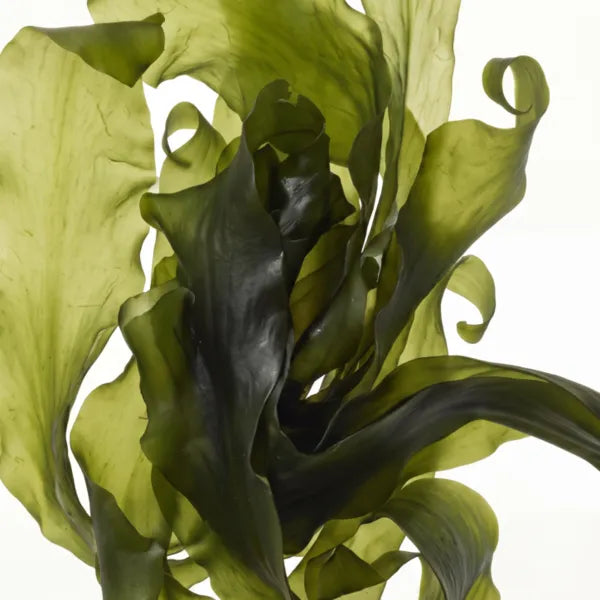
What it does
Potent antioxidant defense and structural protection.
How it works biologically
A brown-algae extract rich in marine phlorotannins. Phlorotannins inhibit lipid peroxidation and MMP activity.
Peer reviewed evidence
"Joe MJ et al. (2006). Phlorotannins in Ecklonia cava extract inhibit matrix metalloproteinase activity in human dermal fibroblasts. Life Sci.
Extracellular vesicles from Ecklonia cava and phlorotannin promote rejuvenation in aged skin (2024)."
What it does
Binds moisture with a light feel; stable at low pH.
How it works biologically
A naturally fermented sugar-alcohol humectant. Hygroscopic; draws and holds water at the surface.
Peer reviewed evidence
Loden M. (2003). Role of topical emollients and moisturizers in the treatment of dry skin barrier disorders. Am J Clin Dermatol.
What it does
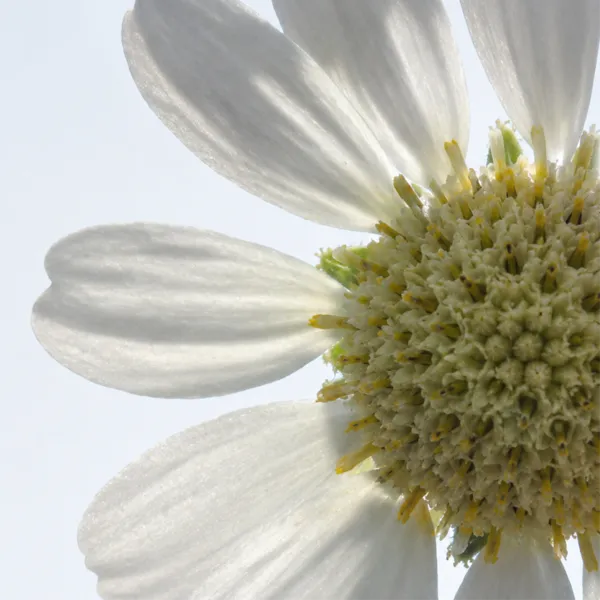
Polyphenol antioxidant support for resilience.
How it works biologically
An antioxidant botanical (Eclipta prostrata / Bhringraj). Coumestans/flavonoids scavenge ROS; protect skin proteins.
Peer reviewed evidence
Antioxidant, antiaging and antimicrobial effects of Eclipta prostrata (false daisy) extract. J Soc Cosmet Sci Korea (2018).
What it does
Selectively feeds beneficial skin microbes.
How it works biologically
A short-chain prebiotic fiber. Fermented by good bacteria; supports SCFAs and competitive exclusion.
Peer reviewed evidence
Prescott SL et al. (2017). The skin microbiome: impact of modern environments on skin ecology, barrier integrity, and systemic immune programming. World Allergy Organ J.
What it does
Gentle exfoliation plus humectant hydration - sensitive-skin friendly.
How it works biologically
A large-molecule polyhydroxy acid (PHA). Slowly breaks corneodesmosomes; chelates calcium; binds water.
Peer reviewed evidence
"Grimes PE et al. (2004). The use of polyhydroxy acids (PHAs) in photoaged skin. Cutis.
Green BA et al. (2009). Clinical and cosmeceutical uses of hydroxyacids. Clin Dermatol."
What it does
Draws moisture in and supports barrier function.
How it works biologically
A highly hygroscopic natural humectant. Hydrates; aids lipid assembly; activates aquaporin-3 channels.
Peer reviewed evidence
"Fluhr JW et al. (2008). Glycerol and the skin: holistic approach to its origin and functions. Br J Dermatol.
Rawlings AV, Harding CR. (2004). Moisturization and skin barrier function. Dermatol Ther."
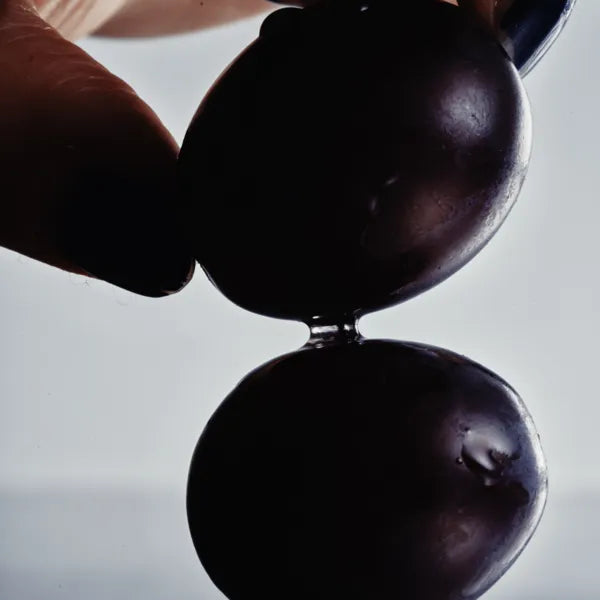
What it does
Reinforces barrier lipids with antioxidant support.
How it works biologically
A linoleic-acid- and polyphenol-rich seed oil. Linoleic acid feeds barrier ceramides; polyphenols scavenge ROS.
Peer reviewed evidence
"Shawahna R et al. (2022). A grapeseed oil (Vitis vinifera) loaded dermocosmetic nanoemulgel improves facial skin biophysical parameters: split-face, placebo-controlled study. J Cosmet Dermatol.
Kapcsandi V et al. (2021). Characterization of fatty acid, antioxidant and polyphenol content of grape seed oil from Vitis vinifera varieties. OCL."
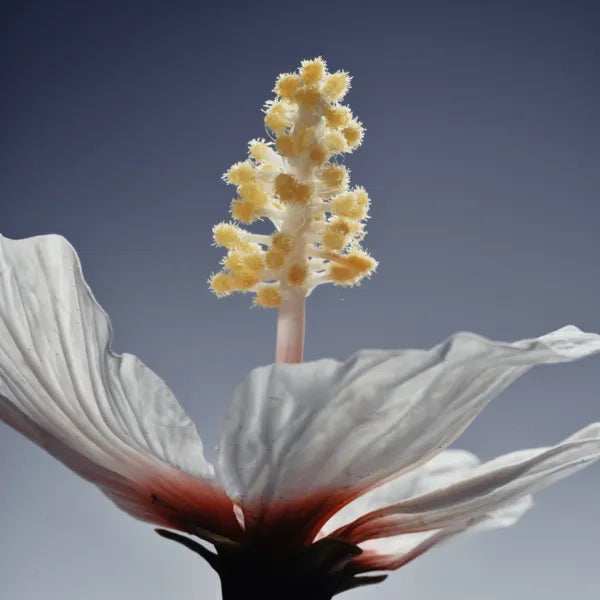
What it does
Antioxidant support and surface clarity.
How it works biologically
An anthocyanin- and organic-acid-rich fruit extract. Anthocyanins scavenge ROS; mild organic-acid surface renewal.
Peer reviewed evidence
Potential of Hibiscus sabdariffa L. and hibiscus acid to reverse skin aging. Molecules (2022).
What it does
Reinforces barrier architecture and stabilizes delivery.
How it works biologically
A skin-identical phospholipid emulsifier. Forms lamellar structures; carries actives through the barrier.
Peer reviewed evidence
"Final report on the safety assessment of lecithin and hydrogenated lecithin. Int J Toxicol (2001).
Liposomes for topical use: a physico-chemical comparison of vesicles prepared from egg or soy lecithin (2013)."
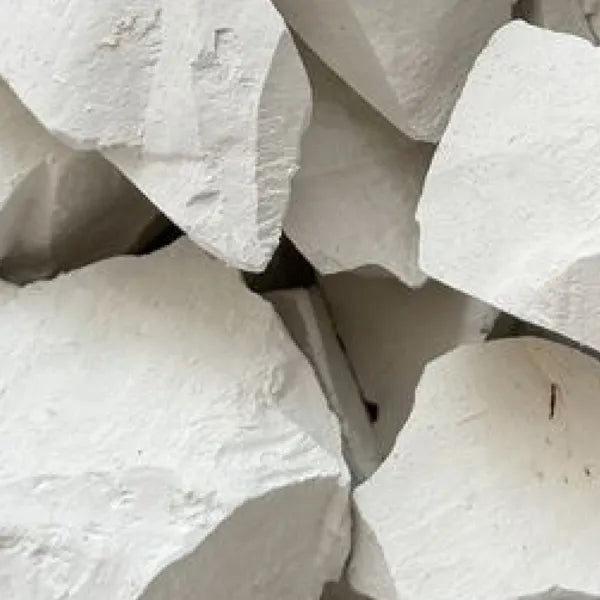
What it does
Lifts excess oil and debris - the mask step - without stripping.
How it works biologically
A soft, mild mineral clay. Adsorbs sebum and particulates; gentle mechanical polish.
Peer reviewed evidence
The scenario of clays' and clay minerals' use in cosmetics/dermocosmetics: a review. Cosmetics (2024).
What it does
Drives turnover, smooths texture and evens tone; also hydrates.
How it works biologically
The workhorse AHA of the blend, at active pH 3.5. Loosens corneodesmosomes; inhibits tyrosinase; humectant.
Peer reviewed evidence
"Epidermal and dermal effects of topical lactic acid. J Am Acad Dermatol (1996).
Effect of lactic acid isomers on keratinocyte ceramide synthesis, stratum corneum lipid levels and barrier function. Arch Dermatol Res (1996)."
What it does
Supports the surface microbiome for a calm, stable barrier.
How it works biologically
A postbiotic (fermentation byproducts, not live bacteria). Feeds beneficial species; organic acids maintain surface pH.
Peer reviewed evidence
"Lee et al. (2023). Cera-Glow, ferment lysates of Lacticaseibacillus rhamnosus IDCC 3201, improve skin barrier function in a clinical study. J Cosmet Dermatol.
A lotion containing probiotic ferment lysate enhances skin barrier: a randomized self-control study. Sci Rep (2023)."
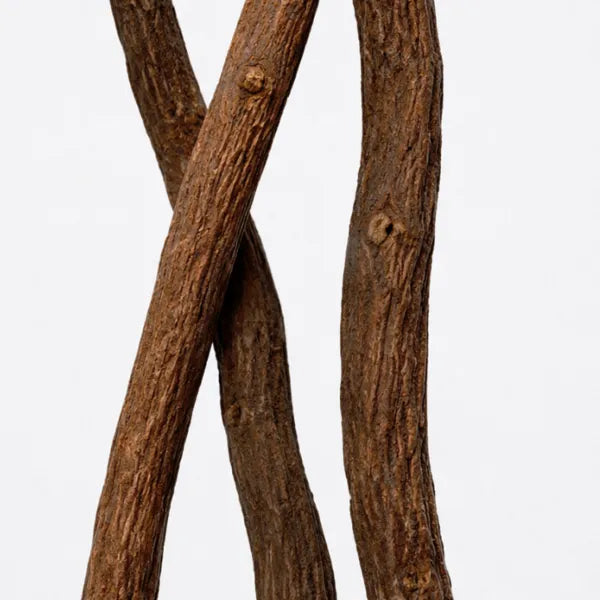
What it does
Regulates tone and calms - a complementary brightening pathway.
How it works biologically
Source of glabridin, a tyrosinase-inhibiting polyphenol. Inhibits tyrosinase without cytotoxicity; reduces PIH.
Peer reviewed evidence
"Yokota T et al. (1998). The inhibitory effect of glabridin from licorice extracts on melanogenesis and inflammation. Pigment Cell Res.
Nerya O et al. (2003). Glabrene and isoliquiritigenin as tyrosinase inhibitors from licorice roots. J Agric Food Chem."
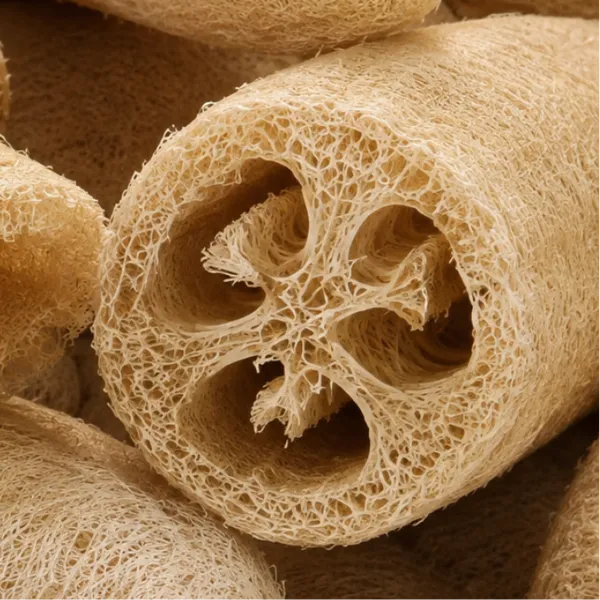
What it does
Gentle mechanical smoothing that polishes rather than abrades.
How it works biologically
Ground plant-cellulose fiber with rounded particles. Lifts loose surface cells by soft friction; biodegradable.
Peer reviewed evidence
* Luffa cylindrica powder mechanical exfoliation characterization. Citations in preparation.
What it does
Supports the other AHAs and steadies formula pH.
How it works biologically
A dicarboxylic fruit AHA and pH buffer. Adds AHA action; buffers pH; synergizes with other acids.
Peer reviewed evidence
Taylor MB et al. (2013). Treatment of melasma and postinflammatory hyperpigmentation with vitamin C iontophoresis and a mandelic/malic acid regimen. J Drugs Dermatol.
What it does
Slow, even exfoliation - accessible for sensitive skin.
How it works biologically
A large-molecule AHA from bitter almonds. Larger size slows penetration; mild tone and antibacterial effects.
Peer reviewed evidence
"Taylor MB et al. (2013). Treatment of melasma and postinflammatory hyperpigmentation with vitamin C iontophoresis and a mandelic/malic acid regimen. J Drugs Dermatol.
Effects of topical mandelic acid treatment on facial skin viscoelasticity (2018)."
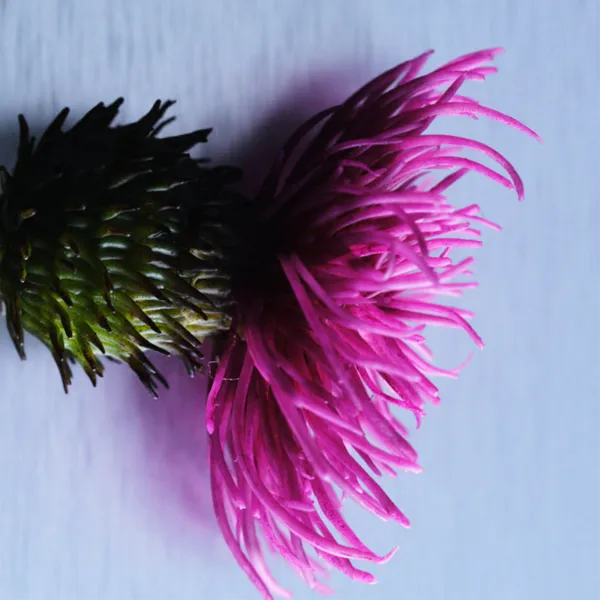
What it does
Defends structural proteins and supports clarity.
How it works biologically
Source of silymarin, a flavonolignan antioxidant complex. Inhibits lipid peroxidation; induces SOD/catalase.
Peer reviewed evidence
Katiyar SK. (2002). Treatment of silymarin, a plant flavonoid, prevents ultraviolet light-induced immune suppression and oxidative stress in mouse skin. Int J Oncol.
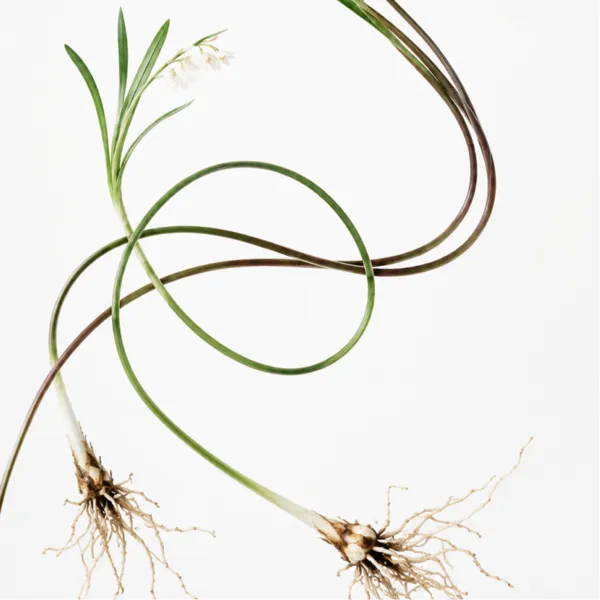
What it does
Soothing hydration support.
How it works biologically
A polysaccharide- and saponin-rich root extract. Polysaccharides bind water; saponins calm.
Peer reviewed evidence
Ashok Kumar BS (2024). Ophiopogon japonicus: traditional uses, pharmacological and cosmetic applications - a review. Int J Pharm Qual Assur.
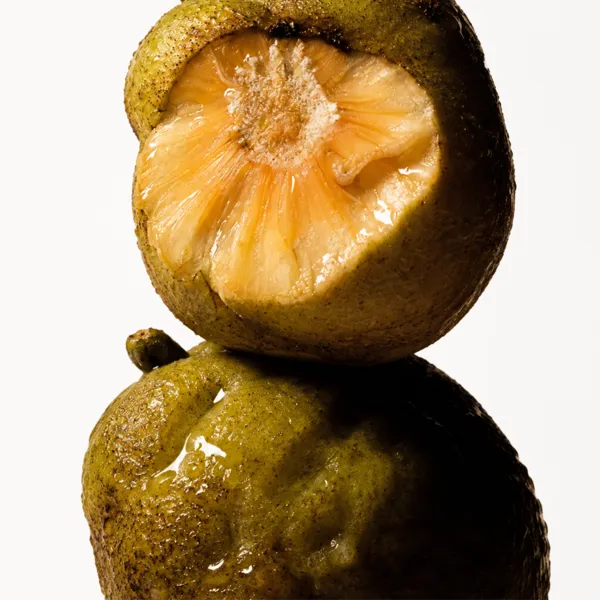
What it does
Reduces excess pigment at the source.
How it works biologically
A stilbenoid (Artocarpus lakoocha), a strong tyrosinase inhibitor. Competitively inhibits tyrosinase; scavenges free radicals.
Peer reviewed evidence
Tengamnuay P et al. (2006). Artocarpus lakoocha heartwood extract: in-vitro anti-tyrosinase and in-vivo skin whitening. Int J Cosmet Sci.
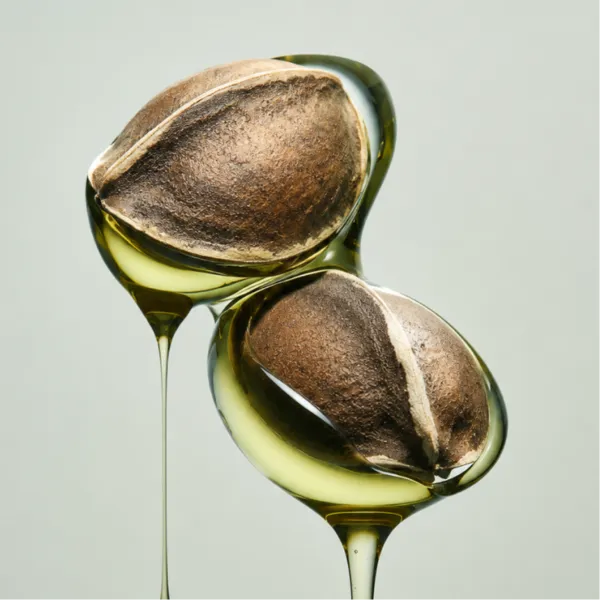
What it does
Barrier comfort, antioxidant support and active delivery.
How it works biologically
A stable, oleic-acid-rich seed oil. Oleic acid aids penetration; tocopherols/phenolics protect.
Peer reviewed evidence
"Expanding the anti-inflammatory potential of Moringa oleifera: topical effect of seed oil on skin inflammation and hyperproliferation. J Ethnopharmacol (2020).
Moringa oleifera seed oil formulation - physical stability and chemical constituents for enhanced skin hydration and antioxidant activity. Cosmetics (2021)."
What it does
Aims to support the skin's metabolic and repair capacity.
How it works biologically
A coenzyme central to cellular energy and DNA repair that declines with age. Electron carrier for ATP; sirtuin/PARP-1 substrate (topical evidence emerging).
Peer reviewed evidence
"The emerging potential of NAD+ precursors in dermatological health and anti-aging (review). Cosmoderma (2024).
beta-Nicotinamide mononucleotide enhances skin barrier function and attenuates UV-B-induced photoaging in mice. Antioxidants (2025).
Permeation of nicotinamide mononucleotide (NMN) in an artificial membrane: a cosmetic skin permeability model. J Cosmet Dermatol (2025)."
What it does
Rebuilds barrier, evens tone and supports NAD+ synthesis.
How it works biologically
Vitamin B3 - versatile across barrier, tone and metabolism. Boosts ceramides; inhibits melanosome transfer; NAD+ precursor.
Peer reviewed evidence
"Gehring W. (2004). Nicotinic acid/niacinamide and the skin. J Cosmet Dermatol.
Hakozaki T et al. (2002). Niacinamide reduces cutaneous pigmentation and suppresses melanosome transfer. Br J Dermatol."
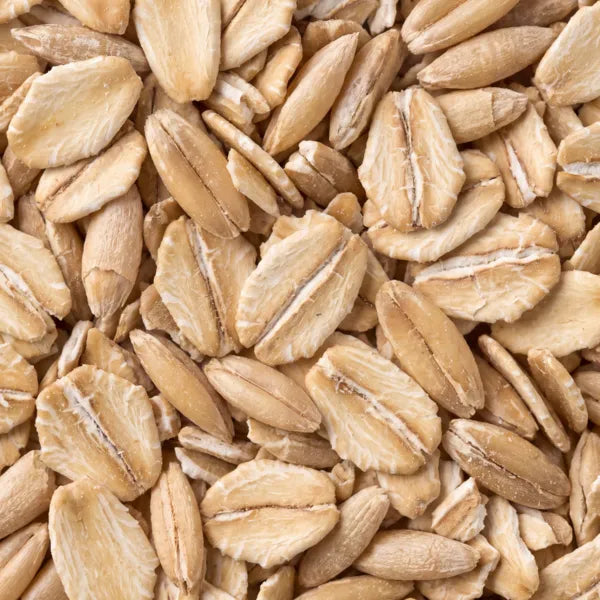
What it does
Calms irritation and supports comfort during renewal.
How it works biologically
Colloidal oat (beta-glucan, avenanthramides), an FDA skin protectant. Avenanthramides inhibit NF-kB; beta-glucan films reduce TEWL.
Peer reviewed evidence
"Kurtz ES, Wallo W. (2007). Colloidal oatmeal: history, chemistry and clinical properties. J Drugs Dermatol.
Fowler JF Jr. (2014). Colloidal oatmeal formulations and the treatment of atopic dermatitis. J Drugs Dermatol."
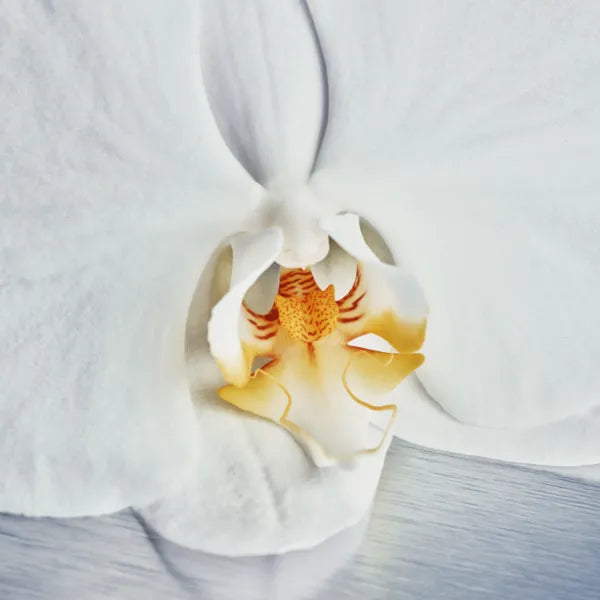
What it does
Forms a hydrating film for a plumper, softer surface.
How it works biologically
High-molecular-weight orchid polysaccharides. Surface film binds water and slows evaporative loss.
Peer reviewed evidence
* Orchid extract polysaccharide skin film and TEWL reduction. Additional citations in preparation.
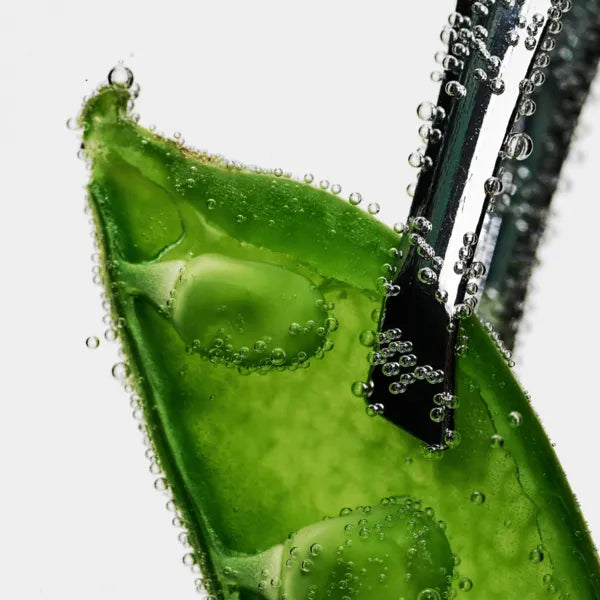
What it does
Supports collagen signaling during renewal.
How it works biologically
Young sprout extract rich in signaling peptides. Growth-factor mimicry stimulates fibroblasts (preliminary).
Peer reviewed evidence
Sprout extracts in skin care and hair growth: evidence and future opportunities. Applied Sciences (2026).
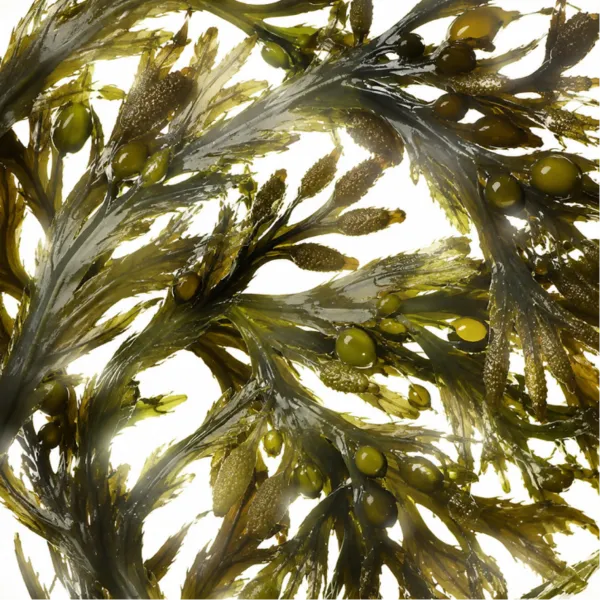
What it does
Marine hydration and antioxidant comfort.
How it works biologically
A hydrating brown-seaweed extract. Polysaccharides bind water; marine antioxidants scavenge ROS.
Peer reviewed evidence
Safety assessment of brown algae-derived ingredients as used in cosmetics. CIR review (2018).
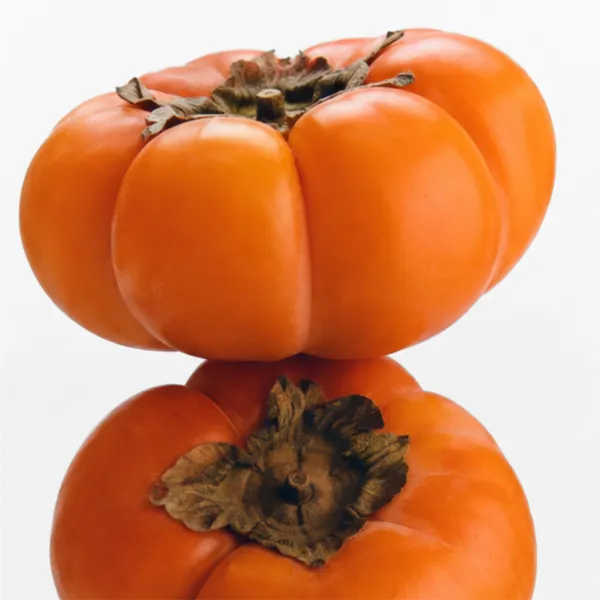
What it does
Antioxidant and astringent tone support.
How it works biologically
A tannin- and flavonoid-rich fruit extract. Tannins/flavonoids scavenge ROS; mild astringency.
Peer reviewed evidence
"An overview of dermatological and cosmeceutical benefits of Diospyros kaki (persimmon) and its phytoconstituents. Rev Bras Farmacogn (2017).
Tyrosinase-inhibitory polyphenols from the leaves of persimmon (Diospyros kaki). J Agric Food Chem (2011)."
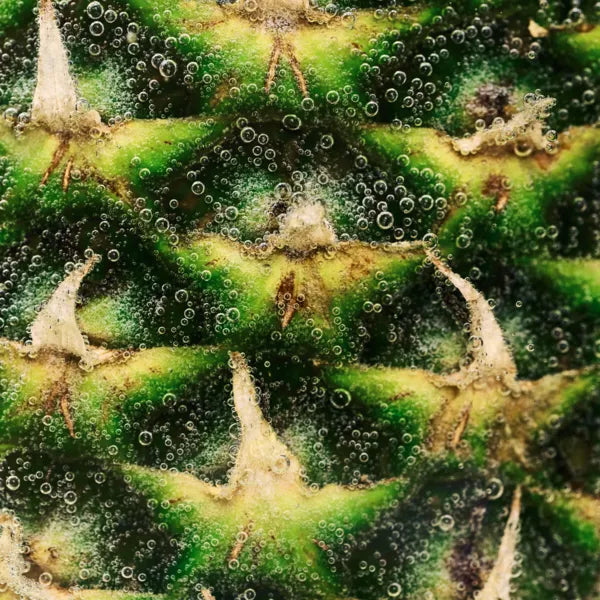
What it does
Gentle enzymatic renewal and antioxidant brightness.
How it works biologically
Whole-fruit pineapple (enzymes, fruit acids, vitamin C). Proteases and fruit acids ease shedding; vitamin C supports tone.
Peer reviewed evidence
Trevisol TC et al. (2022). An overview of the use of proteolytic enzymes as exfoliating agents. J Cosmet Dermatol.
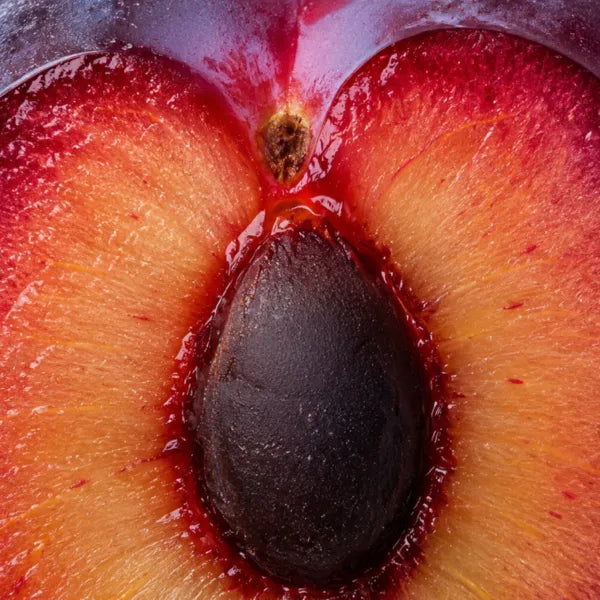
What it does
Antioxidant support plus barrier softness.
How it works biologically
A fatty-acid- and polyphenol-rich seed oil. Polyphenols scavenge ROS; fatty acids integrate with barrier lipids.
Peer reviewed evidence
Valorization of Prunus seed oils: fatty acid composition and oxidative stability. Molecules (2023).
What it does
Regulates excess melanin with high daily tolerability.
How it works biologically
A water-soluble azelaic-acid derivative bound to glycine. Normalizes overactive tyrosinase; anti-inflammatory, reduces PIH.
Peer reviewed evidence
Breathnach AS. (1996). Melanin hyperpigmentation of skin: melasma, topical treatment with azelaic acid and other therapies. Cutis.
What it does
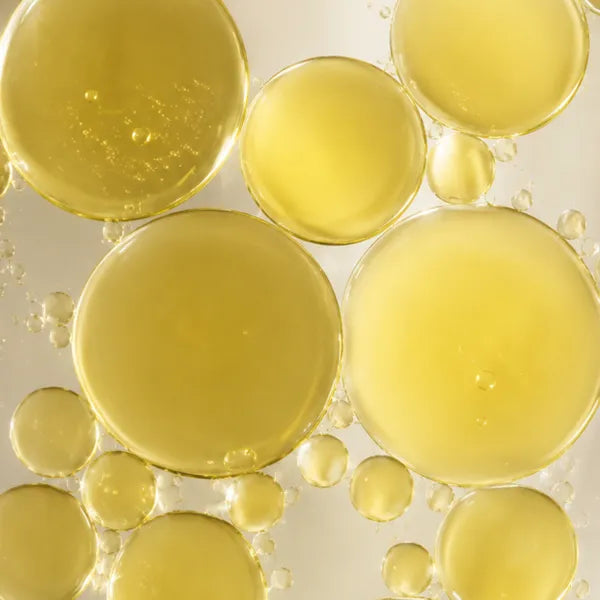
Supports barrier comfort and active delivery.
How it works biologically
A cold-pressed plant oil mirroring skin lipids. Linoleic acid replenishes barrier lipids; sterols calm.
Peer reviewed evidence
Johansson A, Appelqvist L-A. (1978). Content and composition of sterols and sterol esters in low-erucic-acid rapeseed (Brassica napus). Lipids.
What it does
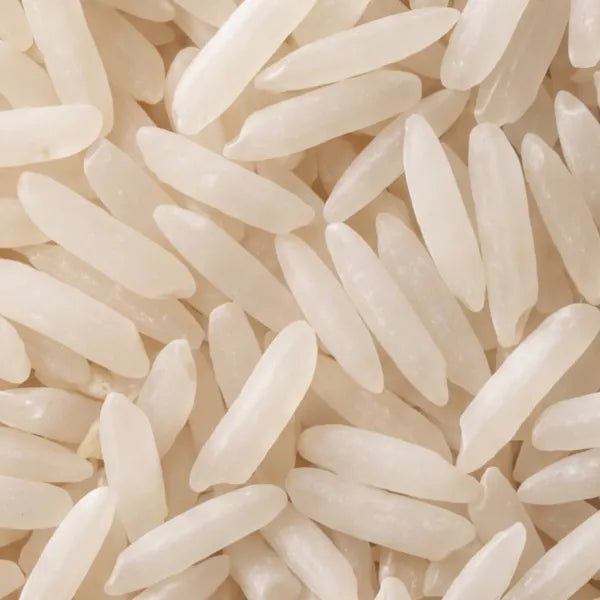
Supports surface resilience, hydration and clarity.
How it works biologically
A sake-yeast ferment of rice (amino acids, B vitamins). Postbiotics feed the microbiome; amino acids aid NMF.
Peer reviewed evidence
* Rice ferment filtrate barrier function and hydration clinical studies. Additional citations in preparation.
What it does
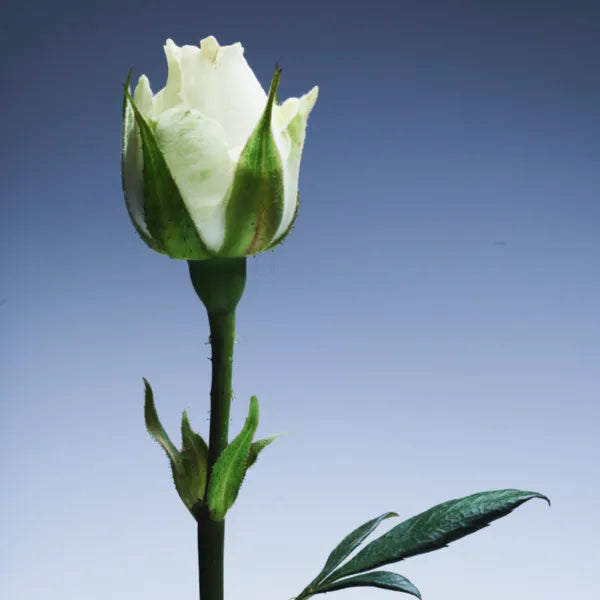
Calming, antioxidant support.
How it works biologically
A polyphenol-rich botanical rose extract. Polyphenols scavenge ROS; flavonoids calm inflammation.
Peer reviewed evidence
"A narrative review of antioxidant, anti-inflammatory and other properties of Rosa damascena Mill. Food Science & Nutrition (2026).
Skin anti-inflammatory activity of rose petal extract (Rosa gallica) via reduction of MAPK signaling. Food Science & Nutrition (2018)."
What it does
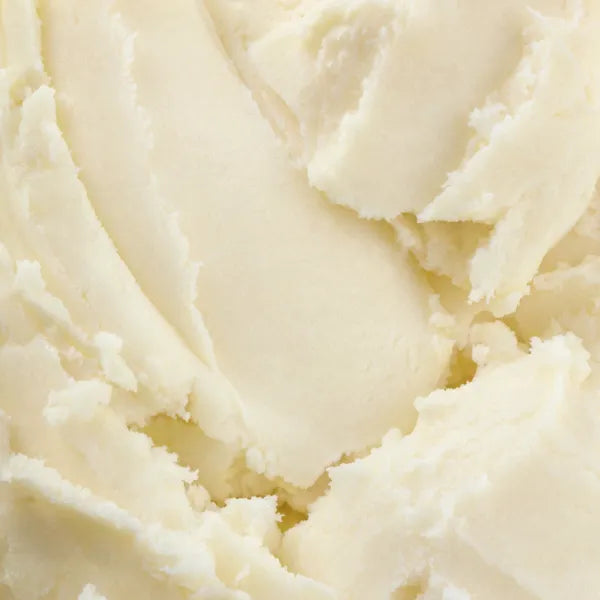
Cushions the barrier so cleansing doesn't strip lipids.
How it works biologically
A fatty-acid-rich butter with anti-inflammatory triterpenes. Replenishes barrier lipids; triterpenes calm inflammation.
Peer reviewed evidence
Akihisa T et al. (2010). Anti-inflammatory and chemopreventive effects of triterpene cinnamates and acetates from shea fat. J Oleo Sci.

What it does
Binds moisture like HA, with smaller, better-penetrating particles.
How it works biologically
Tremella polysaccharides with high water-holding capacity. Holds water in a surface network; reduces TEWL.
Peer reviewed evidence
Citation in preparation
What it does
Binds moisture and plumps the surface efficiently.
How it works biologically
The smaller salt form of hyaluronic acid. Holds water in a viscoelastic network; CD44 signaling.
Peer reviewed evidence
"Pavicic T et al. (2011). Efficacy of cream-based hyaluronic-acid formulations of different molecular weights in anti-wrinkle treatment. J Drugs Dermatol.
Stern R et al. (2004). Hyaluronan catabolism: a new metabolic pathway. Eur J Cell Biol."
What it does
Barrier support and light emollient comfort; carries actives.
How it works biologically
A stable lipid mirroring skin's own squalene. Integrates into barrier lipids; non-comedogenic carrier.
Peer reviewed evidence
Huang ZR et al. (2009). Biological and pharmacological activities of squalene and related compounds: potential uses in cosmetic dermatology. Molecules.